
The Tutorial Level: Implementing Your First Unit
The “Vertical Slice”
There is a term in game development called a Vertical Slice. Before a studio spends millions of dollars building a massive open world, they build one tiny level. It has all the mechanics, like combat, dialogue, and graphics, but it only lasts 10 minutes. They test it, break it, and fix it before moving on.
As teachers, we often suffer from “All-or-Nothing” thinking. We think, “If I don’t gamify my entire semester by Monday, I’m a failure.” This is the wrong approach. You will burn out.
Instead, treat your next Unit as your Vertical Slice. This is your “Tutorial Level.”
Step 1: The Economy Update (Switch to XP)
For just this one unit, throw out the traditional gradebook.
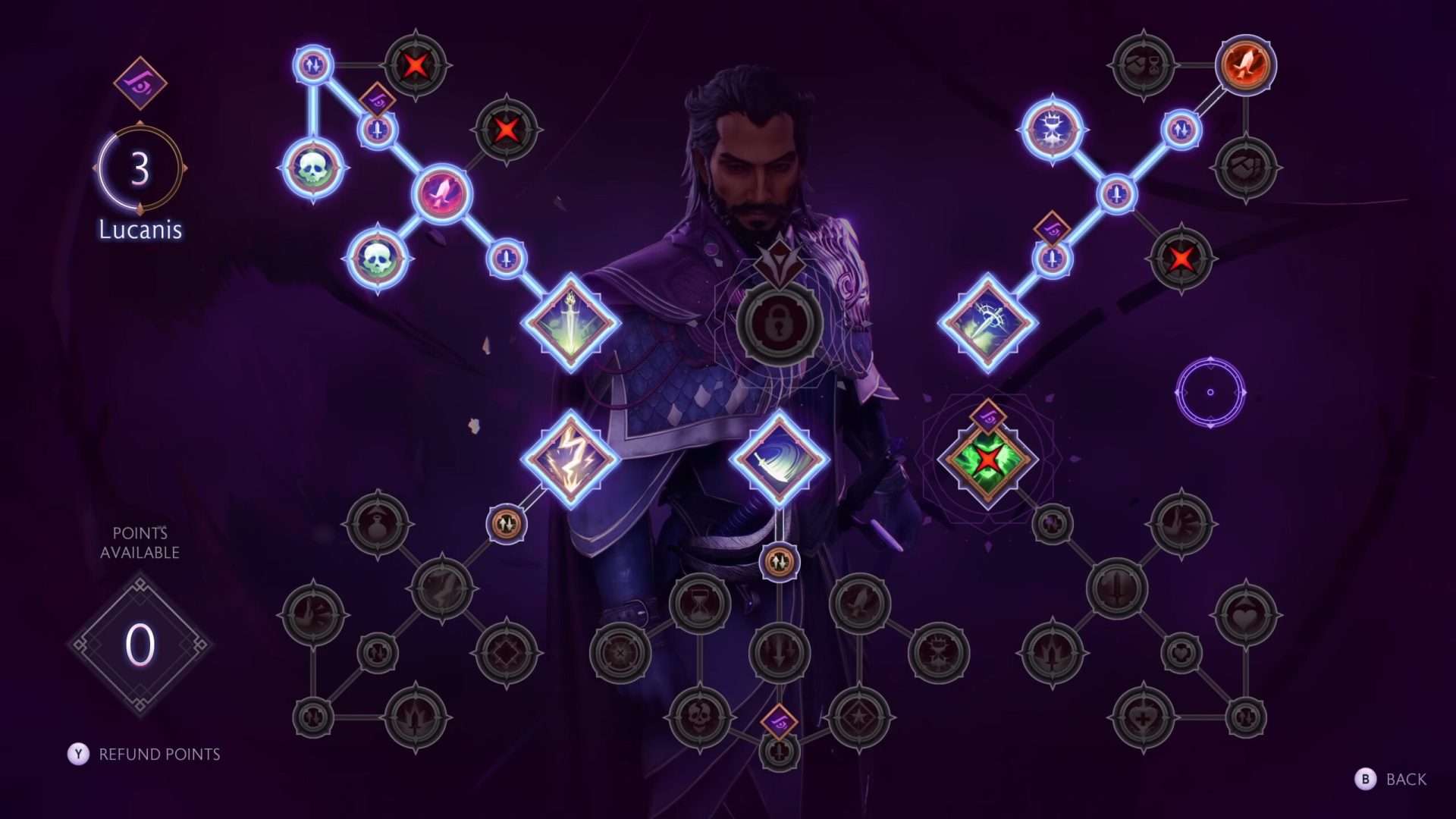
- Break it down. Define your learning objectives. Be it standards, skills, benchmarks or anything else for the unit. You probably already have this from your curriculum, it’s time to put them to good use.
- Chunk it up. With your end-goal clearly delineated, it’s time to divvy it up. What are some things students should be doing to reach that end of the line? Let’s say, if your standard is Knowing and applying the Remainder Theorem (CCSS.Math.Content.HSA.APR.B.2). You can define milestones like: Correctly evaluating numerical expressions, Evaluating expressions, Understanding factors, Building and simplyfing polynomial expressions, etc. While some of these are basic skills that students probably have from previous years, they are a good starting point for them to feel at ease. This is your Skill Tree.
- Define you progression. You can do this through rubrics or different types of assessments. Each milestone should receive an XP value. The first three milestones, as they’re content that should be mastered from previous grades, are worth 50 XP each. The next three milestones are worth 150 XP each, and the last two are worth 200 XP each; for a total of 1,000 XP.
- Set the Scale: Tell students: “For the next 3 weeks, we are trying something new. You all have 0 XP. If you earn 900 XP, you get an A.” For every succesful task they complete towards a milestone they get XP towards completion and leveling up towards the next milestone.
- The Visual: Put a simple “Leaderboard” (using code names or avatars, never real names) or a class thermometer on the wall.
Why start here? It is the easiest change to make, but it has the biggest psychological impact.
Step 2: Add One “Respawn” Mechanic
Don’t promise infinite re-dos on everything. Pick one assignment to be the “safe zone.”
- “For the Unit Essay, if you don’t like your score, you can use a ‘Respawn Token’ to fix my comments and resubmit it for full XP.”
This signals to students that you care more about their mastery than their deadline.
Step 3: Add One “Side Quest”
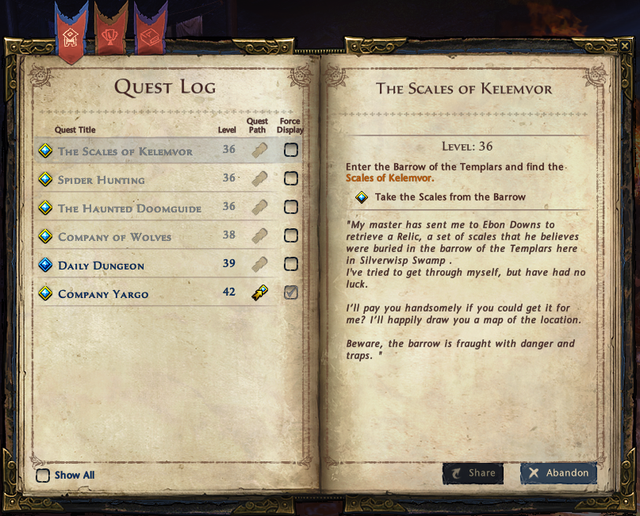
Give students a taste of Autonomy.
- Keep your mandatory assignments the same.
- Create one optional assignment worth 50 XP.
- Make it creative: “Create a meme about the French Revolution” or “Record a 30-second TikTok explaining Newton’s Law.”
Watch who does it. You will be surprised to see “disengaged” students jumping at the chance to earn points in a way that feels native to them.
The “Beta Test” Conversation
Here is the most important part: Tell your students you are playtesting. Be transparent. Say to them:
“I’m trying to make this class more fair and more engaging for you. We are going to try this ‘Gameful’ system for three weeks. I need your feedback on if it feels better than the old way.”
Students appreciate this honesty. They become your co-developers. If a mechanic is broken (e.g., the Side Quest was too hard for too little XP), they will tell you. And because it’s a “Beta,” you can fix it (issue a “Patch”) without looking like you don’t know what you’re doing.
Game On
We started this series by closing our eyes and remembering the thrill of playing a video game. The challenge, the agency, the growth. Gameful Pedagogy is simply the realization that school doesn’t have to be the opposite of that.
It takes work to redesign the system. It takes courage to abandon the “safety” of traditional grades. But when you see a student’s eyes light up because they realized they can earn their way to success rather than fearing their way to failure… you’ll know it was worth the grind.
The game is ready. Press Start.